Specified Skilled Worker (i)
For workers with the skills to do the job without further training.
- Length of stay
- Up to 5 years in total
- Family
- Family cannot accompany
- Support
- Support plan required
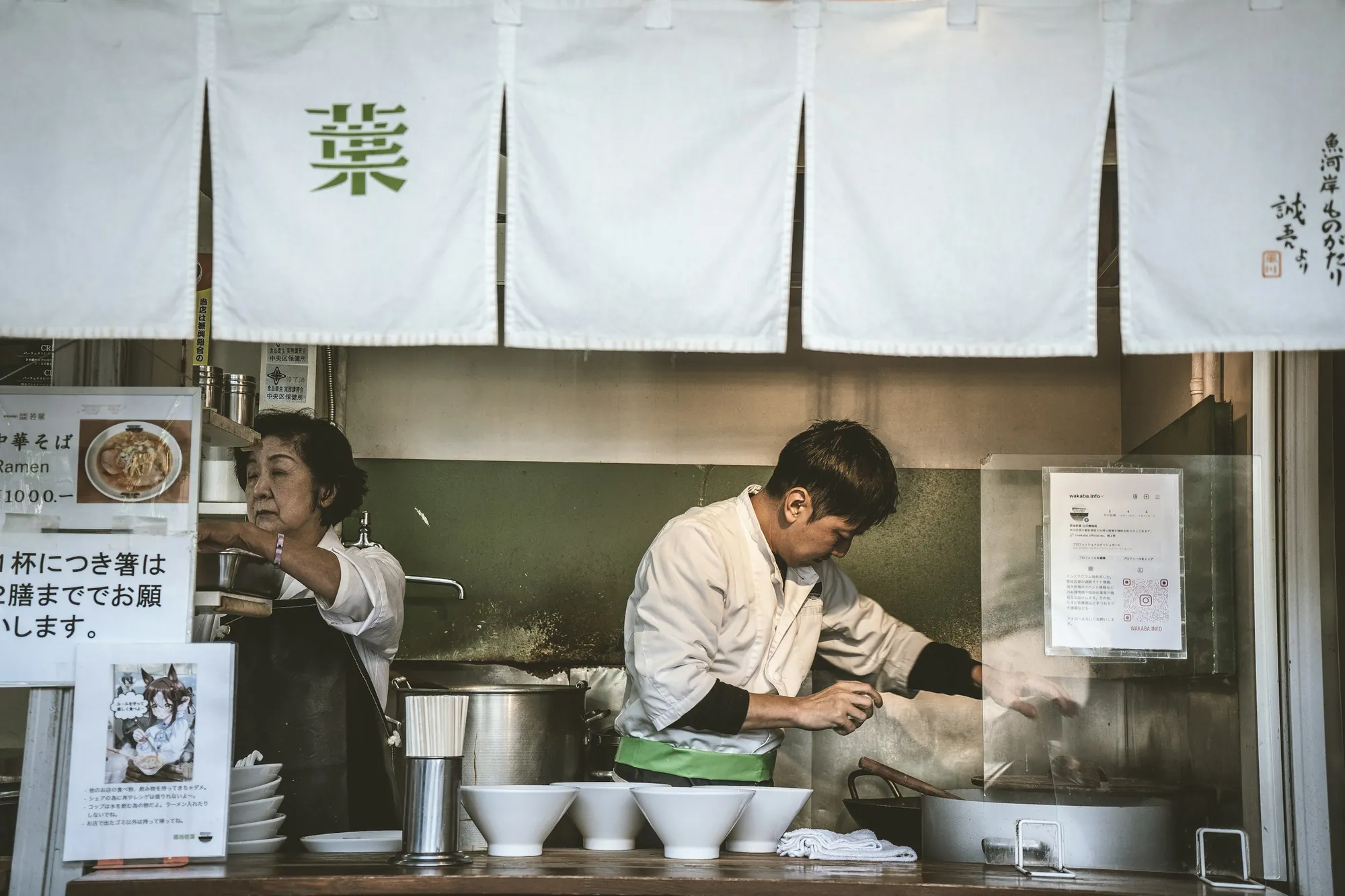
02Specified Skilled Worker
Japan created the Specified Skilled Worker (Tokutei Ginō) visa in 2019 so that industries short of people could hire skilled foreign workers directly. As a registered support organisation, we find the right people, prepare the application and carry out the support the law requires — so you can focus on the work.
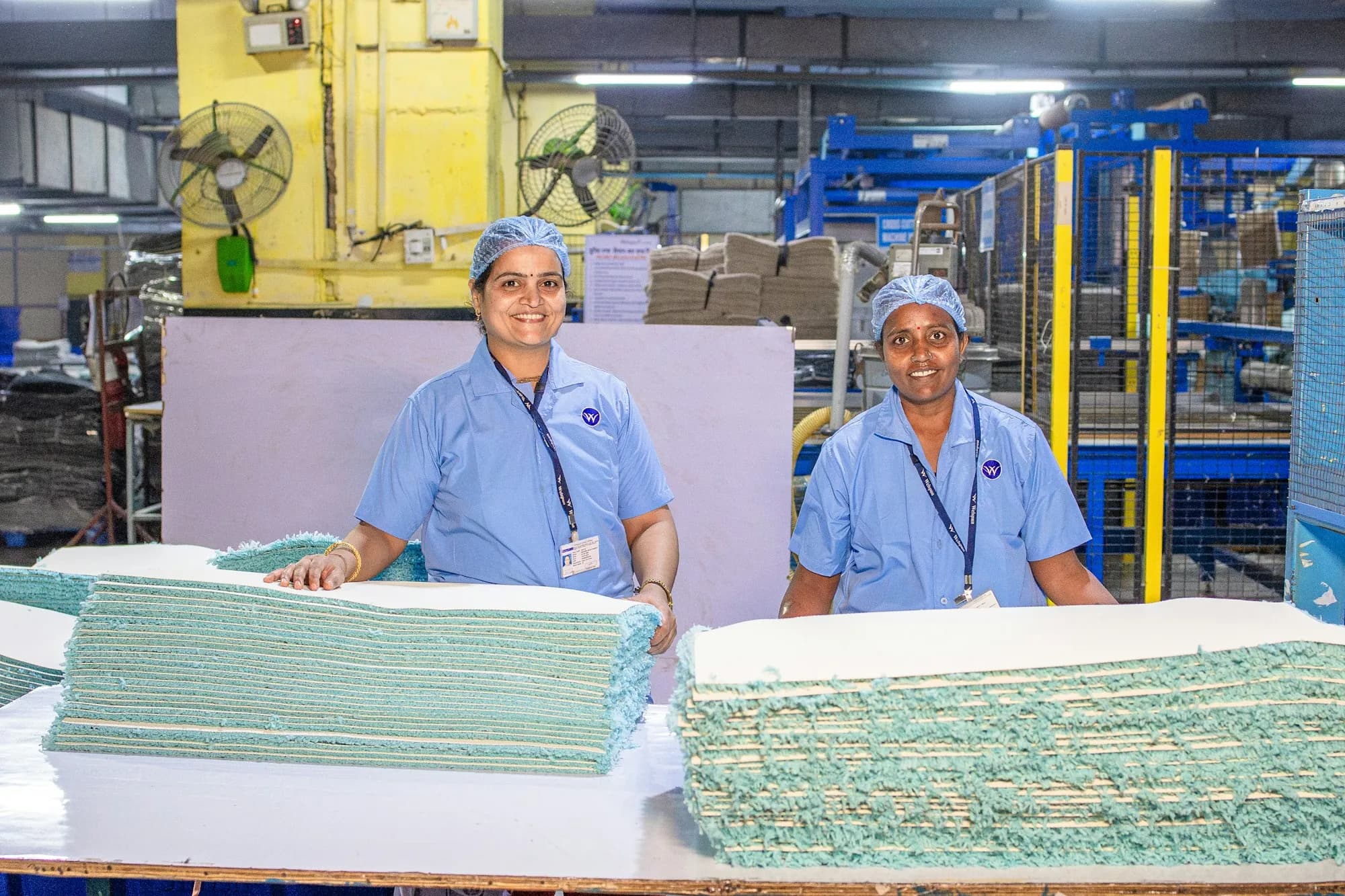
Unlike Technical Intern Training, whose purpose is to transfer skills to developing countries, Specified Skilled Worker exists to fill real labour shortages. Workers arrive with proven skills and Japanese, are paid at least what a Japanese employee in the same job earns, and can change employer within their field.
To qualify, a candidate passes a skills test for the field and a Japanese test — JLPT N4 or the JFT-Basic — or has completed Technical Intern Training (ii) in a related job, which exempts them from both.
Recruitment, the application and ongoing support sit with one team, so nothing falls between agencies.
Support plans, interview records and the regular reports to immigration are prepared on time, with copies for your files.
Guidance, interviews and consultations happen in a language the worker fully understands, as the law expects.
We recruit people already in Japan who are changing status, and people abroad who have passed the tests in their home country.
Most workers start on (i). Some fields offer (ii) to experienced workers who pass a higher test.
For workers with the skills to do the job without further training.
For experienced workers who can lead a team and pass a higher-level test.
The fields where Specified Skilled Workers can be hired, and the work each one covers. The list is set by the government and has grown since 2019 — ask us about the latest.

01
介護
Physical care such as bathing, meals and toileting, plus recreation and related support.

02
ビルクリーニング
Cleaning inside buildings such as offices, hotels, hospitals and commercial facilities.
03
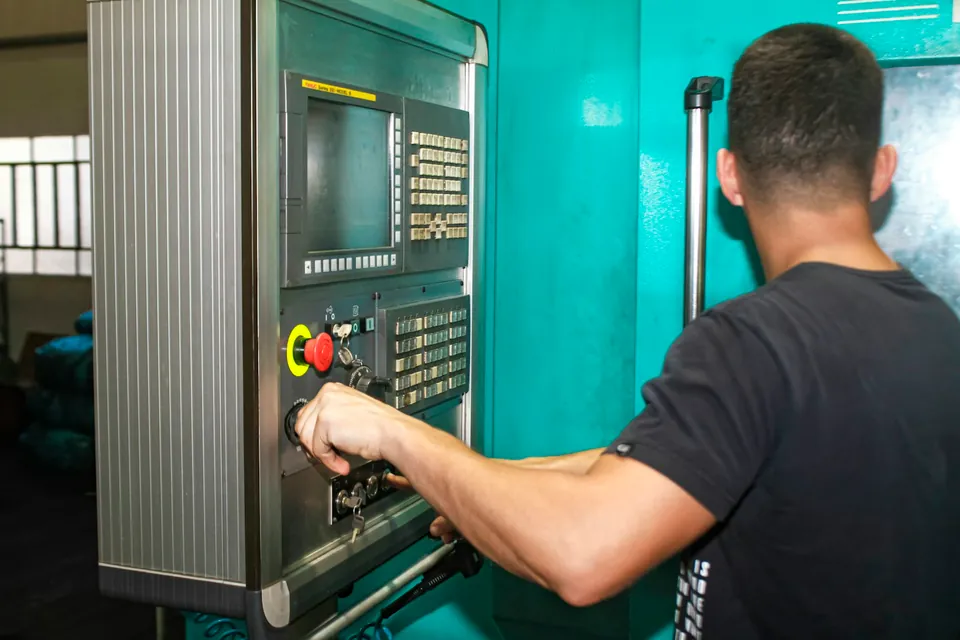
工業製品製造業
Machining, casting, metal pressing, welding, plating, painting, electronics assembly and industrial packaging.
04
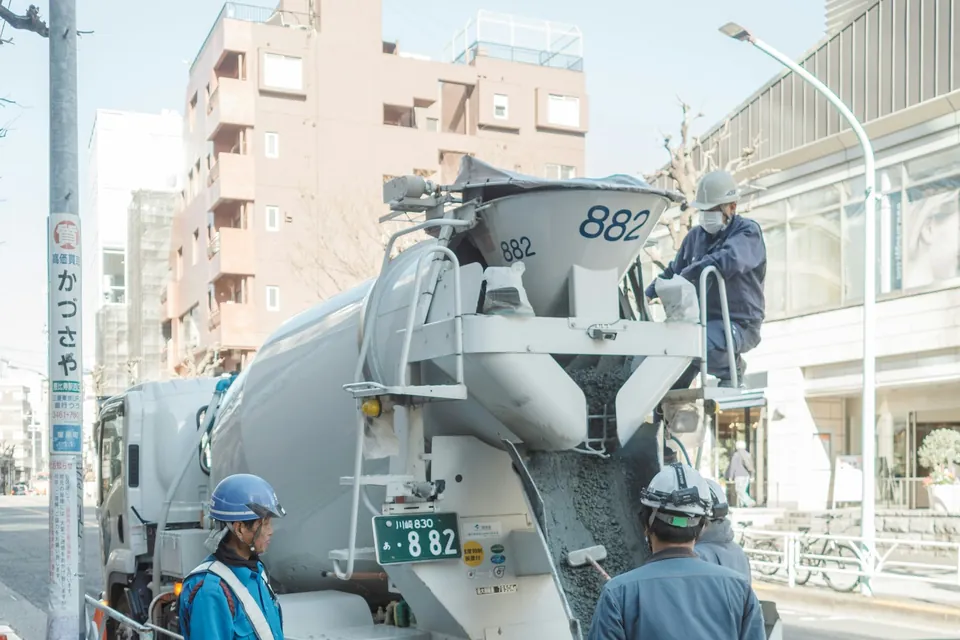
建設
Civil engineering, building and utility work — from formwork and scaffolding to interiors and plumbing.

05
造船・舶用工業
Welding, painting, finishing, machining and assembly of ships and marine equipment.
06
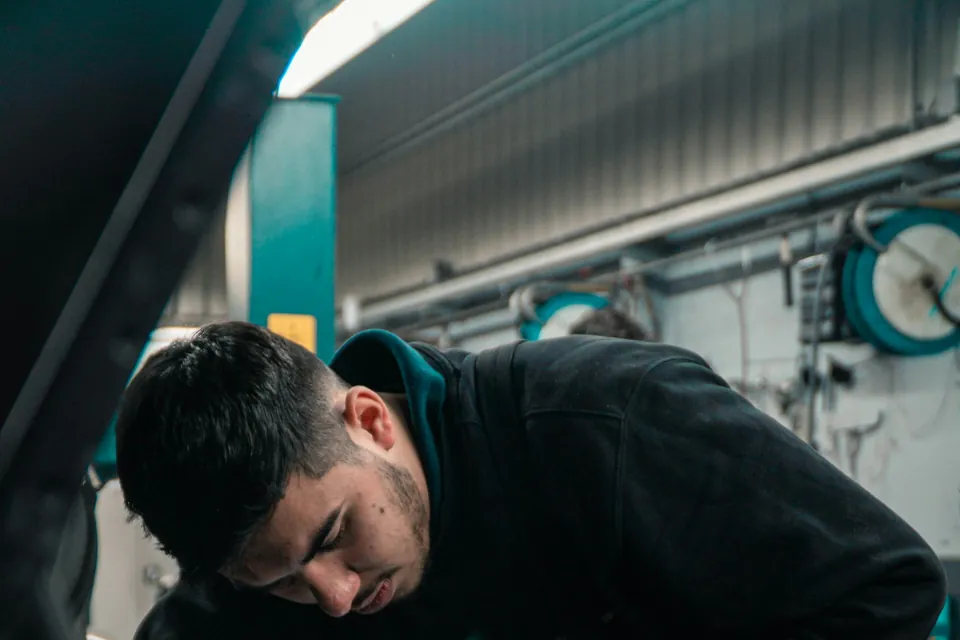
自動車整備
Daily and periodic inspections, servicing and disassembly maintenance of vehicles.

07
航空
Airport ground handling and aircraft maintenance.

08
宿泊
Front desk, planning and publicity, guest service and restaurant service at hotels and inns.

09
自動車運送業
Driving trucks, taxis and buses.
10
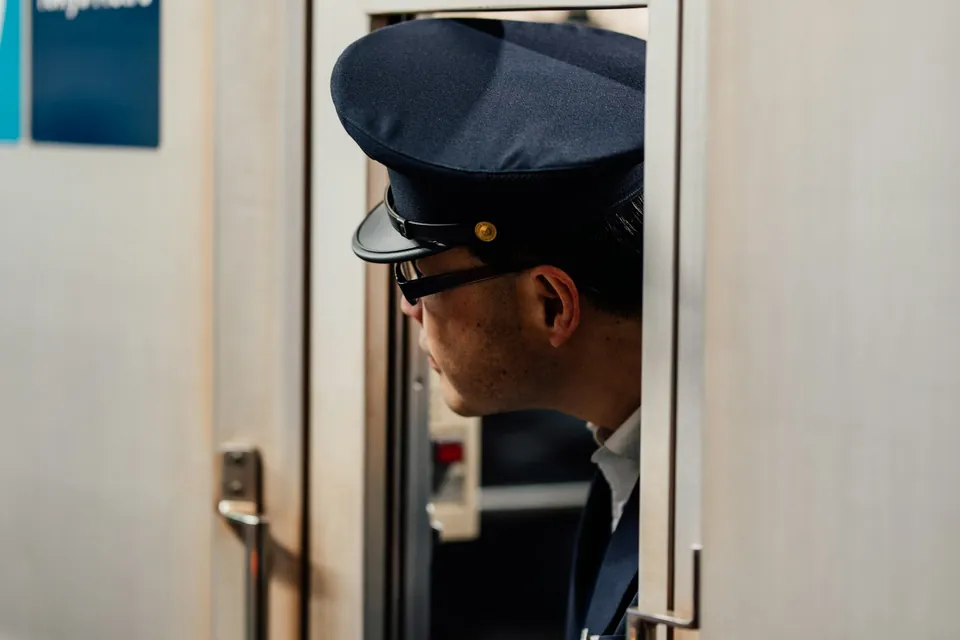
鉄道
Track, electrical and rolling-stock maintenance, train manufacturing, and station and crew roles.
11
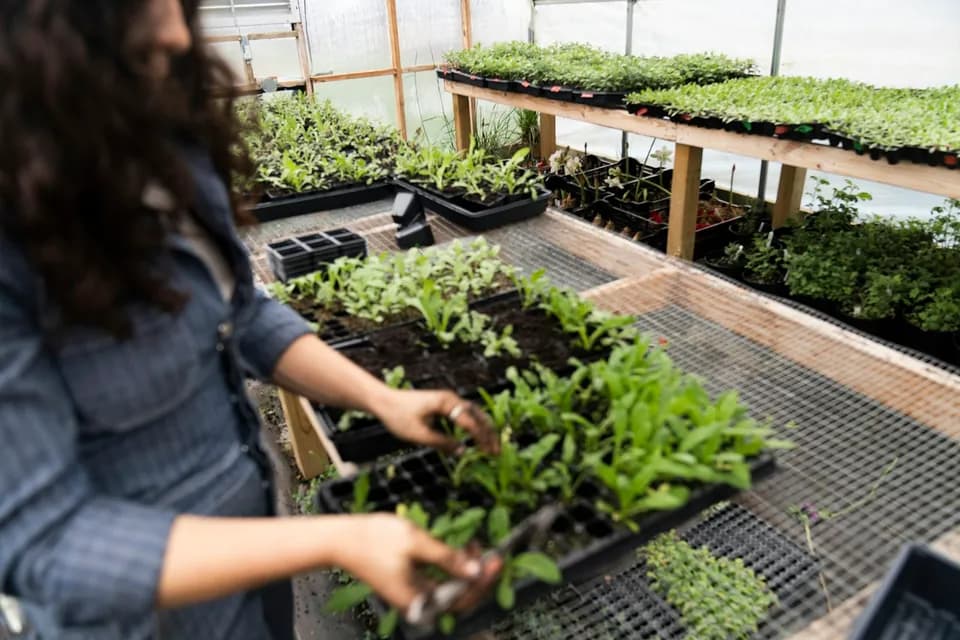
農業
Crop farming and livestock farming.
12
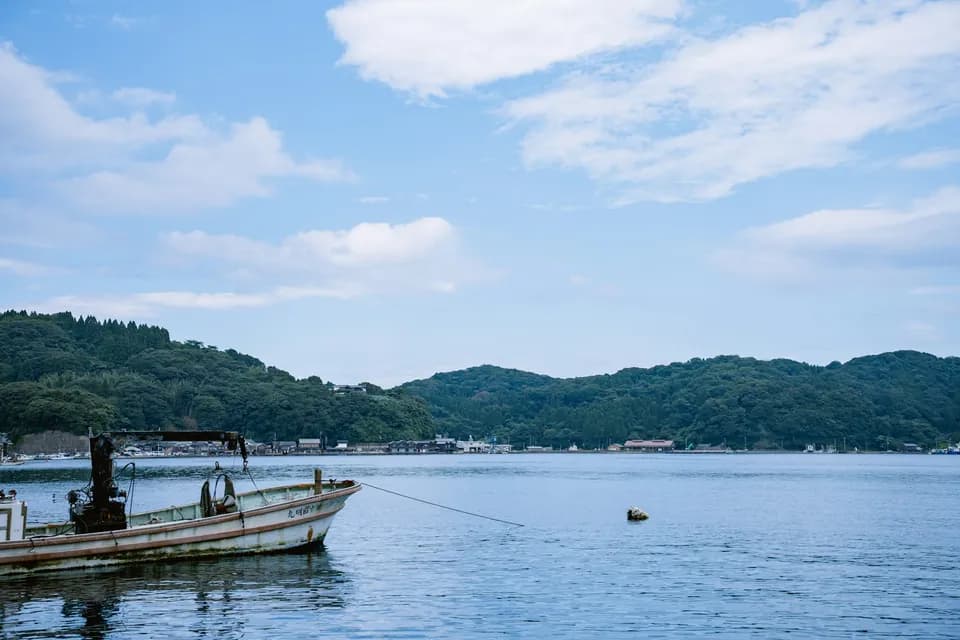
漁業
Fishing and aquaculture.

13
飲食料品製造業
Making and processing food and drink (excluding alcohol), including hygiene management.

14
外食業
Cooking, customer service and store management in restaurants.
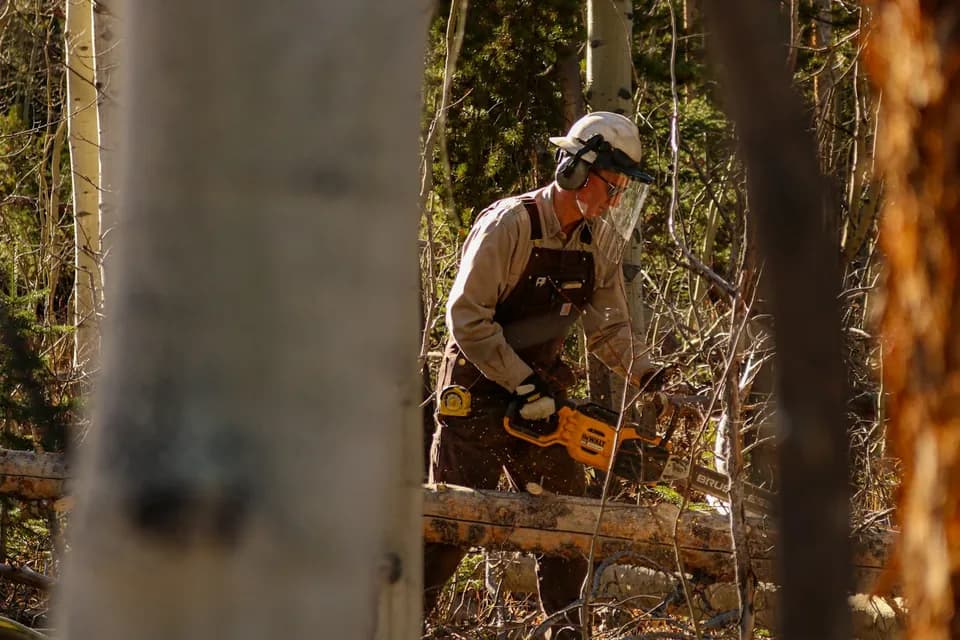
15
林業
Planting and tending forests, and harvesting timber.
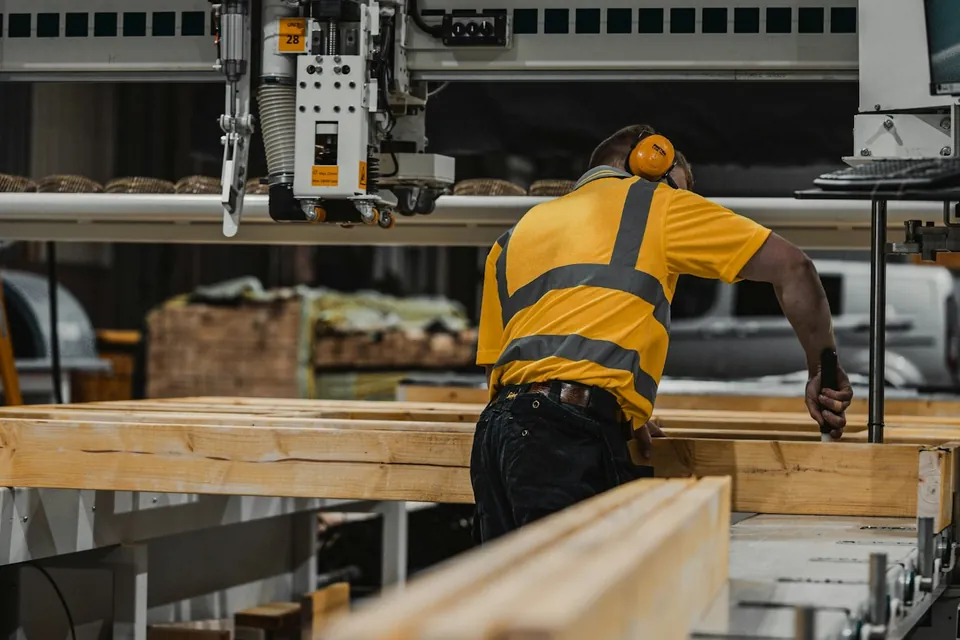
16
木材産業
Sawmilling and the manufacture of plywood and other wood products.
An employer of (i) workers must provide ten kinds of support, or entrust them to a registered support organisation. We take on all ten.
Working conditions, duties and life in Japan explained before the contract takes effect.
Met on arrival, and accompanied to the airport when they leave Japan.
Help finding housing and opening a bank account, a phone contract and utilities.
Rules, manners, transport, healthcare and what to do in an emergency, in their language.
Accompanied to the city office for residence registration, tax and social insurance.
Information on classes and study materials, and help getting started.
A way to raise problems at work or in daily life, answered in their language.
Introductions to local events and neighbours, so that work is not their whole life in Japan.
If the job ends for reasons that are not their fault, help finding the next employer in the field.
Interviews with the worker and their supervisor at least every three months, with any labour-law problems reported to the authorities.
The two are often confused. The difference decides who you can hire, for how long, and what you must provide.
| Item | Specified Skilled Worker (i) | Technical Intern Training |
|---|---|---|
| Purpose | Filling labour shortages | Transferring skills to developing countries |
| Skills at entry | Skills test and Japanese test (or TITP (ii) completed) | No test required (nursing care excepted) |
| Length of stay | Up to 5 years in total | Up to 5 years |
| Changing employer | Allowed within the same field | Generally not allowed |
| Family | Not allowed | Not allowed |
| Who supports them | Employer or registered support organisation | Supervising organisation |
| Limit on numbers | None, except in nursing care and construction | Capped by the size of your workforce |
Technical Intern Training is due to be replaced by the new Employment for Skill Development system (育成就労) from April 2027, designed to lead into Specified Skilled Worker.
Step 01
We confirm that your work falls within a field and that your business meets the conditions, such as joining the field's council.
Step 02
We introduce people who have passed the tests, in Japan or abroad, and arrange your interviews.
Step 03
You sign an employment contract that meets the SSW standards, and we draw up the support plan.
Step 04
A Certificate of Eligibility for someone abroad, or a change of status for someone already in Japan. We prepare it and follow it through.
Step 05
Airport pickup, housing, registration and a life orientation in their language during the first weeks.
Step 06
Interviews every three months, consultations whenever needed, and the regular reports to immigration prepared for you.
Something we did not cover? Ask our team
Only in agriculture and fishery, where the seasonal nature of the work allows it. In every other field the worker must be your direct employee — and every worker we place is hired directly by you.
At least what a Japanese employee doing the same work would earn, and never below the regional minimum wage. We help you set a salary that meets the standard and is competitive enough to keep people.
Yes, if your company meets the conditions — for example, experience employing foreign nationals and staff who can support them in their language. Most companies find it simpler to entrust all of it to a registered support organisation.
In fields that offer (ii), a worker who passes the higher test can move to (ii), which has no limit on stay and allows family to join. Otherwise they return home, or change to another status they qualify for.
Tell us your field and how many people you need. We will check eligibility and explain the next steps — with no obligation.